Secret #4 of crystalline glazes:
They contain little clay. So without help, they don't suspend or harden on drying.
Potters used to working with dipping glazes that contain plenty of clay are shocked when they see what crystal glazers have to work with: Slurries that contain very little clay because the Al2O3 contributed impedes crystal growth. They end up with dipping glazes conditioned with gum and bentonite that are bummers to work with. But here is a way to mix as a gelled brushing glaze that works surprisingly well. This requires two gums. Let's mix 500ml.
Step 1: Blender-mix 340g of the glaze recipe powder into 440g water. We now have a watery slurry that settles in seconds.
Step 2: Thoroughly blender-mix 5g of CMC powder into it. We now have a slow-drying but thin slurry.
Step 3: Blender-mix in, on high speed, 6g of VeeGum. Slowly add it. We now have a gelled slurry that will stay in suspension. And paint well with a fan brush.
Full gel might not kick in until aging it overnight. Of course, if it overgels for you, then use less VeeGum the next time. Why not add the gums together or the VeeGum first? Agglomerates will form, and even the blender can't remove them.

Related Pictures
Fan Brushes - The best way to apply brushing glazes

This picture has its own page with more detail, click here to see it.
These seem to work well for brushing glazes whether the bristles are fine or coarse, stiff or soft. The key to their utility is the shape. Glazes are gummed and gelled. An ordinary brush, when dipped, pulls together, minimizing the total load it can hold and the breadth of stroke it can make. But these stay fanned. Each bristle has access to more glaze, and thus the brush can deliver more. The fan shape also assists in spreading it evenly over the surface; after all, that is the purpose, spreading evenly, not decorating. Gelled slurries drip much less, so a fan brush can be dipped and brushed in rapid succession. And, these brushes are much easier to clean. These were purchased at Michaels, they are good quality and inexpensive.
Secret #3 of crystalline glazes:
They run. A glaze catcher is needed.
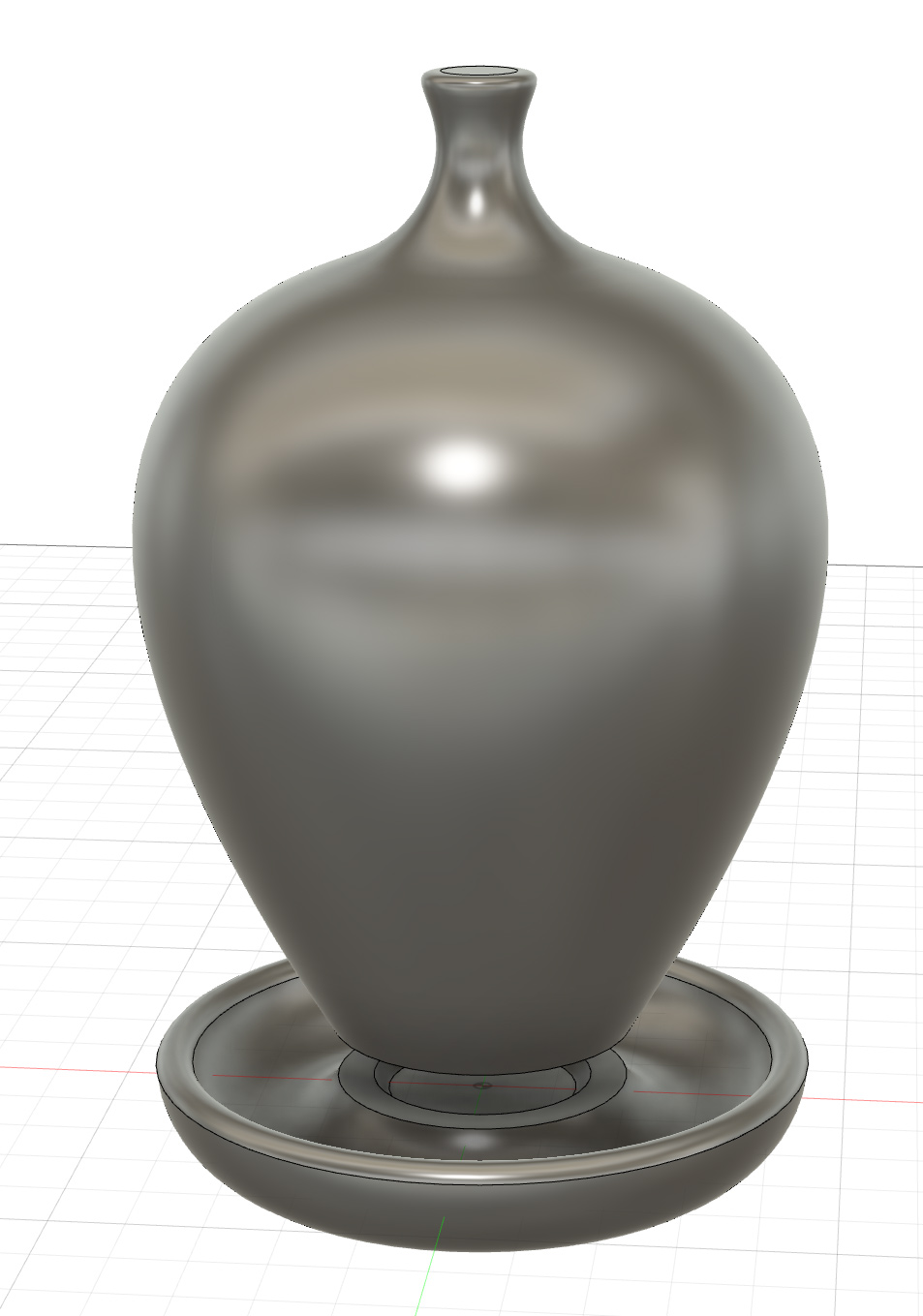
This picture has its own page with more detail, click here to see it.
Crystalline glazes are highly melt-fluid by necessity. On first seeing this, typical potters are horrified at how runny they really are. How is it possible to even use them? By making glaze catchers, custom-sized to match the base of each piece. A calcined alumina or kiln wash paste (made using CMC gum or other binder) is applied to the base of the piece so that it does not stick to the catcher. After firing the catcher is broken off and the remaining sharp glaze edges are ground off.
Glaze bowls by brushing instead of dipping:
Convert your dipping glazes to brushing

This picture has its own page with more detail, click here to see it.
This wheel-thrown bowl is heavy and thick-walled. Applying dipping glazes, both the outside and inside, can be cumbersome, slow and trouble prone (especially where two difference colors must meet at the rim). It turns out that the hobbyist way of brushing glazes can actually better for this. I make these 500ml jars of brushing glaze and tune the percentage of gums to get the right painting consistency and drying time. Applying multiple coats by brush takes only a few minutes, and no wax resist or any other tools are needed. And it is easy to meet two glazes in a straight line at the rim. On this piece, the inside glaze is G2936B and the outside is G2926B. Both are almost always used as thixotropic dipping glazes for other types of ware, but nothing about their recipes disqualifies them from being mixed as brushing glazes.
Links
| Glossary |
Crystalline glazes
A type of ceramic glaze made by potters. Giant multicolored crystals are grown on a super gloss low alumina high zinc glaze by controlling multiple holds and soaks during cooling in the kiln. |
 PayPal | No tracking, No ads, No paywall, No transient content! Just organized, concise information constantly updated and improved. Was this helpful? Consider supporting me. |
Got a Question?
Buy me a coffee and we can talk 

https://digitalfire.com, All Rights Reserved
Privacy Policy